communication strategies

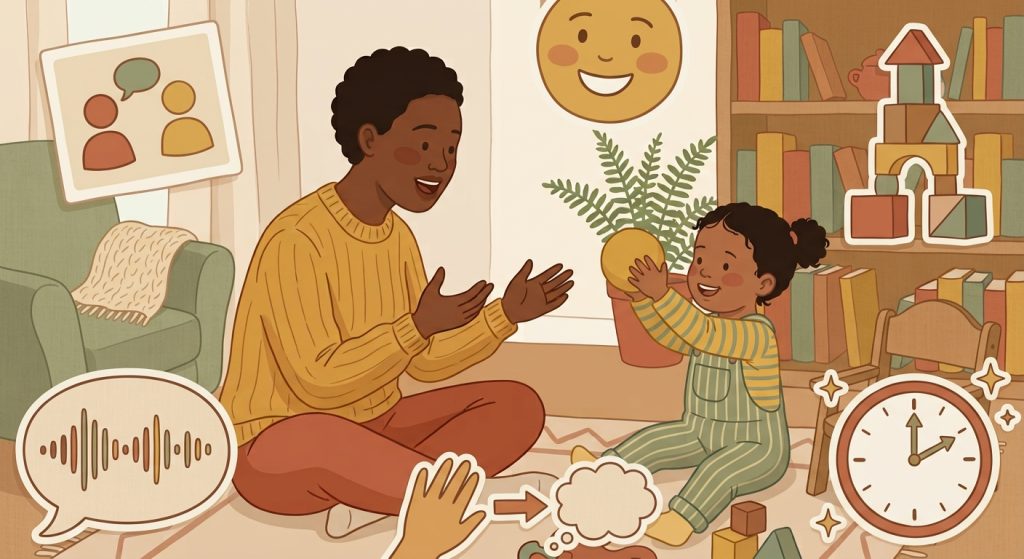
Adult and toddler with autism using communication strategies together at home
Teacher Tips

6 Ways to Help a Toddler with Autism Communicate: The Full Guide

If your toddler has autism and isn’t talking yet — or has just a few words — it can be hard to know where to start. The good news: some of the most effective strategies are simple, everyday habits that both parents and teachers can use, backed by research. Here’s the full series, all in

6 Ways to Help a Toddler with Autism Communicate: The Full Guide Read Post »
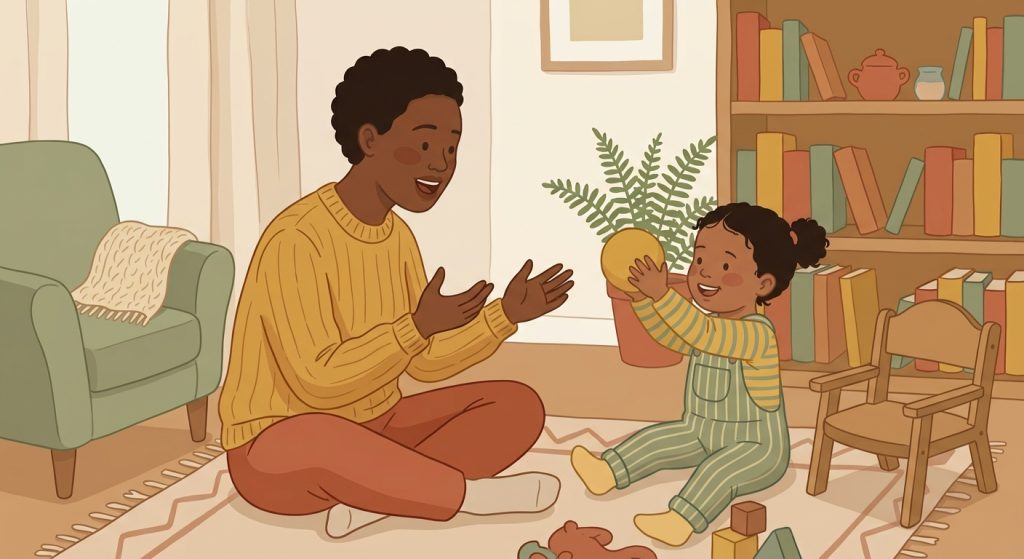
Adult warmly modeling a word back to a toddler with autism playing with a ball
Teacher Tips

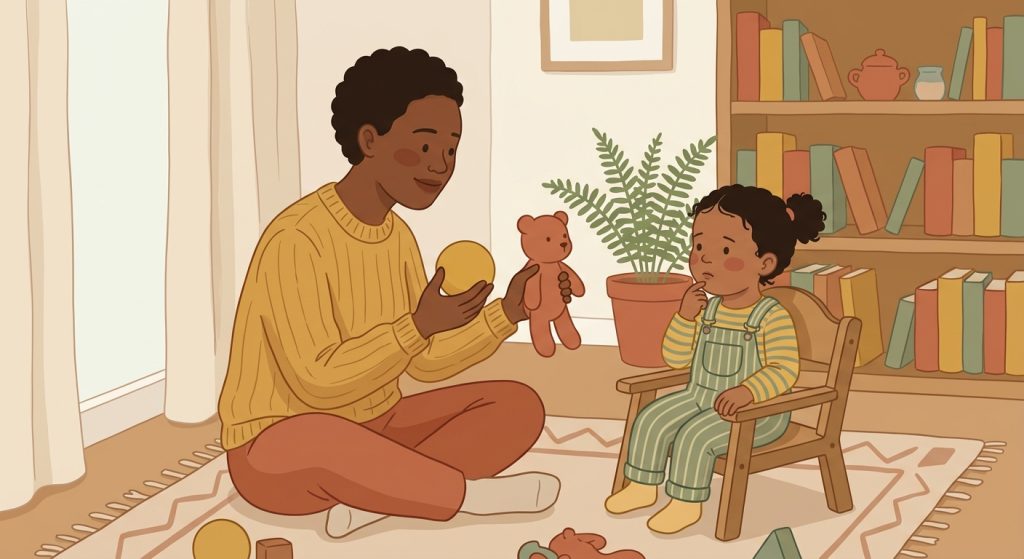
Model, Don’t Correct: A Communication Strategy for Toddlers with Autism

If a toddler says “ba” for ball, the instinct is often to correct it: “No, say ball.” It comes from a good place — you want them to get it right. But for a toddler just starting to talk, that correction often does more harm than good. Why It Works Correcting a toddler’s attempt can

Model, Don’t Correct: A Communication Strategy for Toddlers with Autism Read Post »

Adult patiently waiting for a toddler with autism to respond after being offered a choice
Teacher Tips

Wait Five Extra Seconds: A Communication Strategy for Toddlers with Autism

When you ask a toddler a question or model a word, it’s natural to jump in and fill the silence within a second or two. But for a toddler with autism, that quick silence isn’t empty — it’s often exactly when they’re processing what you said. Why It Works Toddlers with autism frequently need more

Wait Five Extra Seconds: A Communication Strategy for Toddlers with Autism Read Post »

Adult and toddler with autism building language during snack time at the kitchen table
Teacher Tips

Build Language Into Everyday Routines: A Communication Strategy for Toddlers with Autism

You don’t need a “lesson plan” to build a toddler’s communication skills. Some of the strongest research-backed strategies don’t happen at a table with flashcards at all — they happen during snack time, bath time, and getting dressed. Why It Works Naturalistic intervention — teaching communication inside ordinary play and daily routines, instead of isolated

Build Language Into Everyday Routines: A Communication Strategy for Toddlers with Autism Read Post »

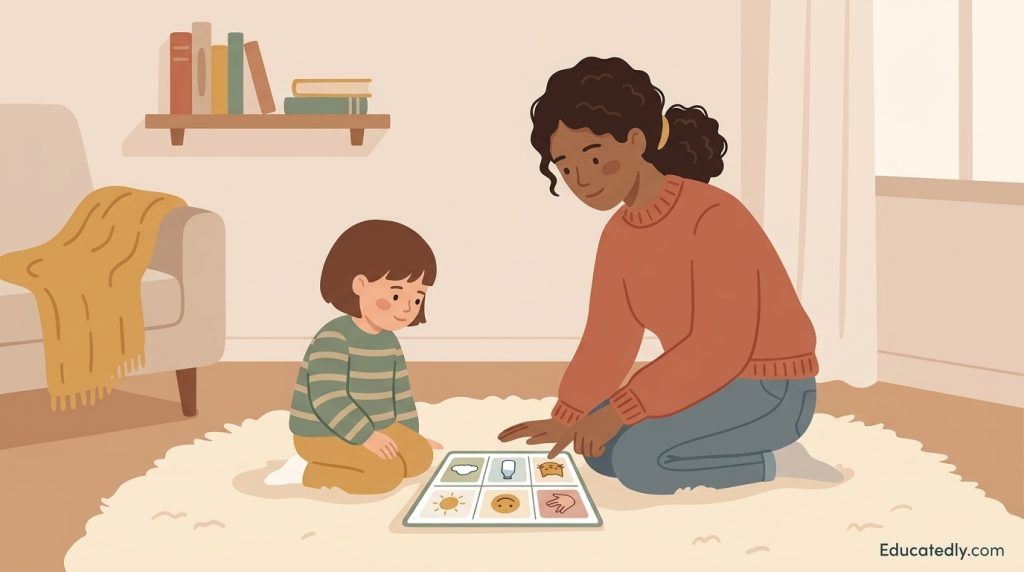
Caregiver and toddler looking together at a simple AAC picture board
Teacher Tips

AAC for 3-Year-Olds: Where to Start

A practical first-steps guide for parents and teachers introducing AAC to a young child. Why It Works If your 3-year-old isn’t talking much yet, it’s natural to want to wait and see. But research shows starting AAC (augmentative and alternative communication — think picture boards, symbol cards, or simple speech-generating apps) early doesn’t hold speech

AAC for 3-Year-Olds: Where to Start Read Post »

Scroll to Top