classroom management

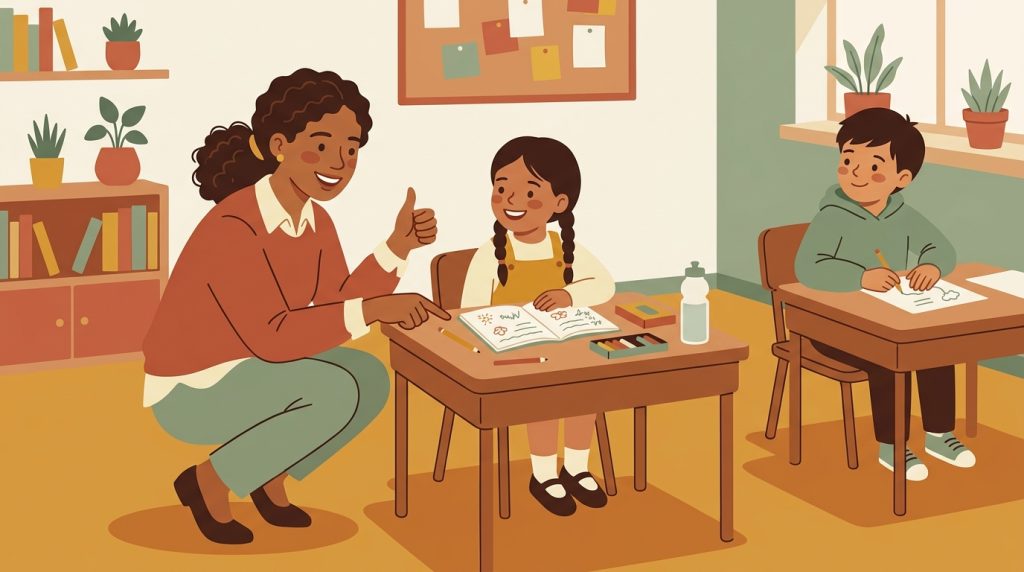
Teacher giving a student specific, encouraging praise for their work in the classroom
Teacher Tips

Behavior-Specific Praise: A Simple Classroom Management Strategy Backed by Research

Why It Works Most of us praise students with quick phrases like “good job” or “nice work.” It feels encouraging, but it doesn’t actually tell the student what they did right. Behavior-specific praise (BSP) fixes that by naming the exact behavior: “Nice job raising your hand before you spoke.” Studies have found that this small

Behavior-Specific Praise: A Simple Classroom Management Strategy Backed by Research Read Post »
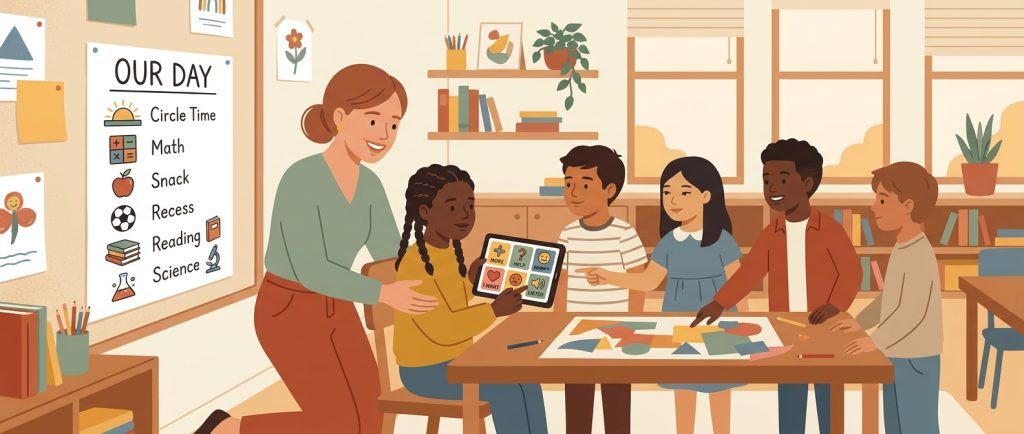
Teacher encouraging a diverse group of students, including a student using an AAC device, during a lesson
Teacher Tips

Maintaining High Expectations: Why Believing in Every Student Matters

Why It Works Teachers form impressions of students early — sometimes within the first few weeks of school — based on things like past grades, behavior, or even how a student communicates. The problem is these early impressions can become self-fulfilling. When a teacher expects less from a student, they tend to give that student

Maintaining High Expectations: Why Believing in Every Student Matters Read Post »

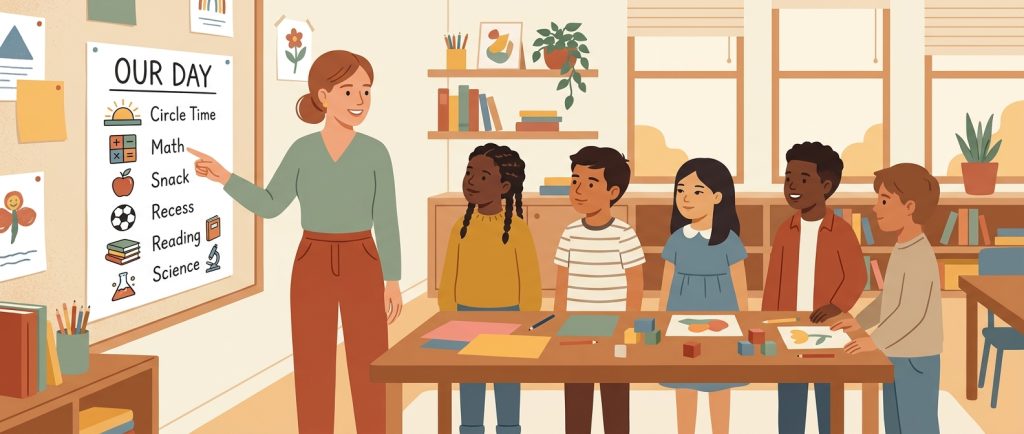
Teacher reviewing a visual classroom expectations chart with students before starting an activity
Teacher Tips

Setting Expectations and Frontloading: Two Simple Strategies to Prevent Behavior Problems

Why It Works A lot of classroom behavior problems happen simply because kids don’t know exactly what’s expected of them yet. Setting expectations means clearly stating, ahead of time, what a task or activity should look like — how to sit, how to work, what “done” looks like. Frontloading (sometimes called priming) takes this a

Setting Expectations and Frontloading: Two Simple Strategies to Prevent Behavior Problems Read Post »

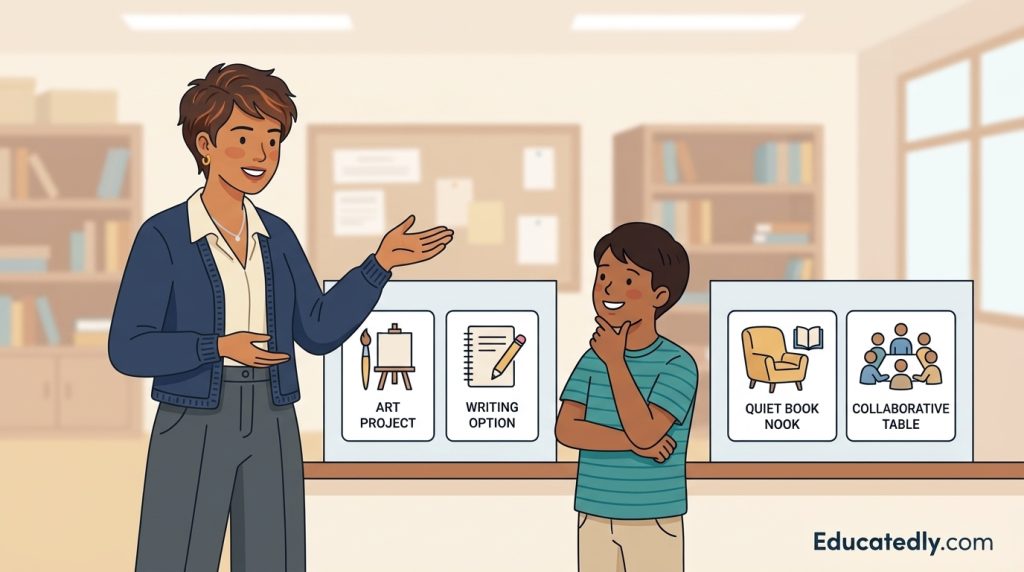
Teacher offering a student two classroom activity choices, illustrating a strategy for preventing power struggles
Teacher Tips

Offering Choices: A Simple Way to Prevent Power Struggles

One of the easiest tools for avoiding power struggles in the classroom is also one of the most overlooked: giving students a choice. Why It Works Most kids don’t fight because they refuse to do the work — they fight because they feel like they have no say in the matter. When a student is

Offering Choices: A Simple Way to Prevent Power Struggles Read Post »

Scroll to Top