
Supporting a student with ADHD well isn’t about one big fix — it’s usually a handful of small, consistent strategies working together. The right combination varies by student, but most effective approaches fall into five areas: structure, organization, academic accommodations, active engagement, and emotional support.
Here’s a quick-reference breakdown of each, with practical strategies you can start using right away.
1. Structure & Routines
Predictability reduces anxiety and helps students know what to expect throughout the day.
- Predictable schedules
- Visible daily routines (posted where students can see them)
- Transition signals, like timers or verbal warnings before a change in activity
- Breaking down complex tasks into smaller, clearly sequenced steps
2. Effective Organizational Skills
Many students with ADHD struggle less with understanding content and more with managing materials and staying on top of assignments. Explicit organizational support closes that gap.
- Explicit organization systems (a consistent place for everything)
- Color-coded materials by subject
- Checklists for multi-step assignments
- Dedicated, low-clutter workspaces
3. Academic Accommodations
Small adjustments to how work is presented or timed can make a big difference without changing what’s being taught.
- Extended time for tests
- Reduced assignment volume (same learning goal, less repetition)
- Preferential seating — near the teacher, away from high-traffic distractions
- Assistive technology, like text-to-speech tools
4. Active Engagement & Reinforcement
Sitting still and listening passively is especially hard for many students with ADHD. Building movement and immediate feedback into instruction helps channel that energy productively.
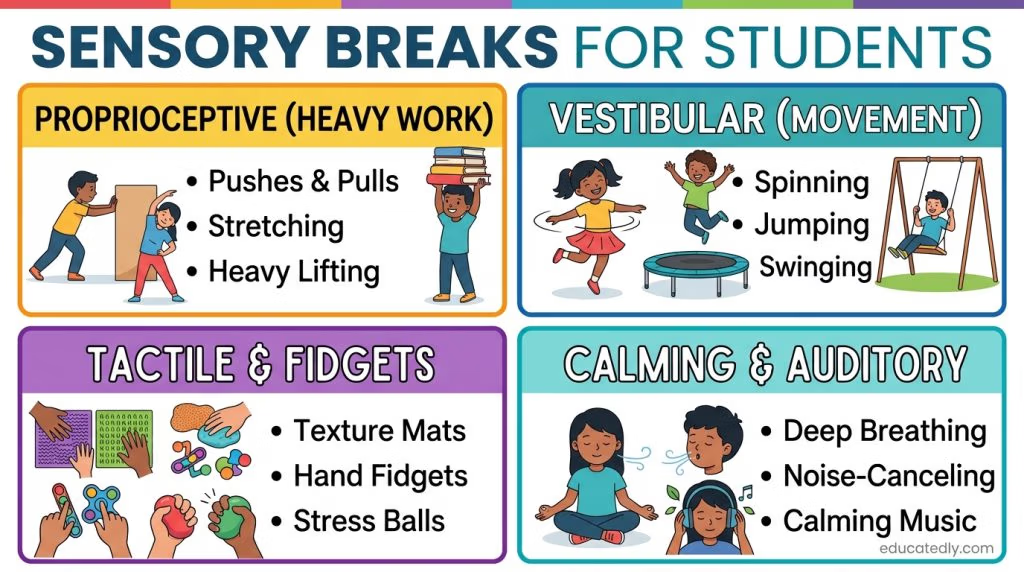
- Incorporating movement into lessons
- Hands-on learning activities
- Frequent, specific positive reinforcement
- Small, immediate rewards rather than long-delayed ones
5. Emotional & Behavioral Support
ADHD isn’t just about attention — it often comes with real emotional regulation challenges too. Supporting the whole student means addressing this directly, not just academically.
- Social skills training
- Teaching self-regulation strategies, such as mindfulness techniques
- Open, ongoing communication with families
- Focusing on strengths and self-esteem, not just areas of difficulty
Building a supportive environment for success
None of these strategies work in isolation — a predictable routine supports organization, which supports academic accommodations actually being usable, which supports a student’s confidence and emotional regulation. Small, consistent structure across all five areas tends to have a much bigger impact than any single big intervention.