
Contractions: Combining Two Words Into One
3-5
1
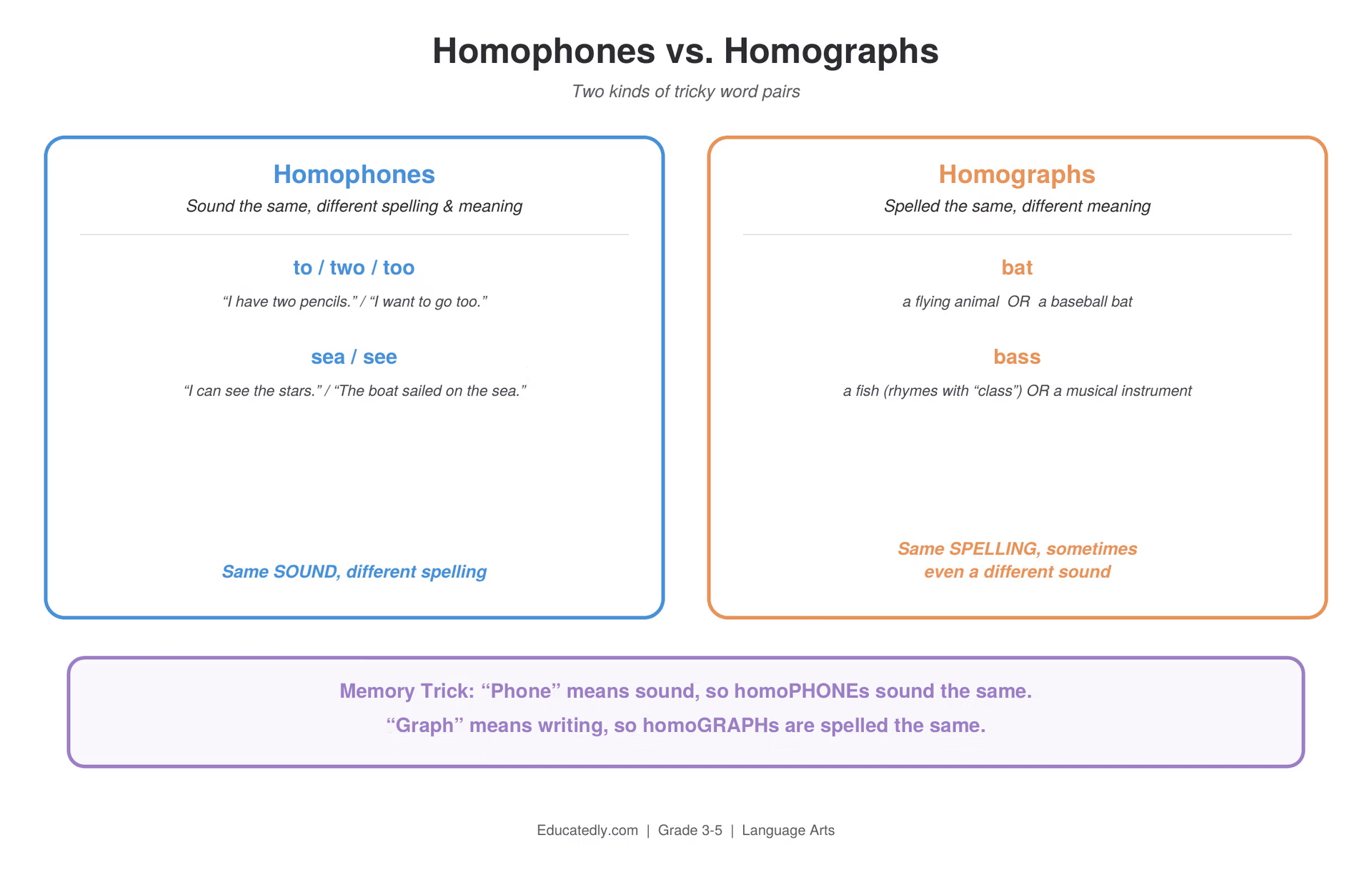
Teacher Note: Students can watch the video lesson above and answer the questions. Click the “Teacher Answer Key” dropdown below when you are ready to review the solutions!
Key Concepts:
• Homophones: Words that sound the same but have different spellings and meanings, like to, two, and too.
• Homographs: Words that are spelled the same but have different meanings, like bat.
• Homographs Can Sound Different Too: Some homographs, like bass, are even pronounced differently depending on their meaning.
• Memory Trick: “Phone” means sound, so homophones sound the same. “Graph” means writing, so homographs are spelled the same.
Instructions: Read each question carefully and write your answer in the space provided.
1. A homophone is a word that sounds the same as another word but has a different spelling and meaning. Example: to, two, and too.
2. A homograph is a word that is spelled the same as another word but has a different meaning. Example: bat.
3. Bat can mean a flying animal, or it can mean a baseball bat.
4. Because it’s not just spelled the same — it’s also pronounced differently depending on whether it means the fish or the musical instrument.
5. “Phone” means sound, so homophones sound the same. “Graph” means writing, so homographs are spelled the same.
Disclaimer: This worksheet was generated with AI assistance based on original video content. It is intended for educational reference only. Teachers are encouraged to review and adjust questions to fit their curriculum standards before classroom use.
🎯 Extension Activity: Find one more example of a homophone pair and one more example of a homograph. Write a sentence for each meaning to show you understand the difference.