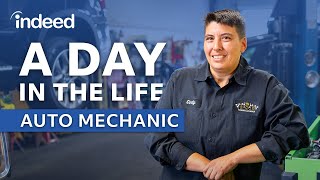
A Day in the Life of an Electrician: Career Video & Student Worksheet
Lesson Details
Duration (minutes)
5
Grade Level
9-12
Summary
This video follows John, a Journeyman/Master Electrician, through a typical workday on a commercial construction site. It covers his core tasks like installing conduit and wiring, using tools such as voltage testers and multimeters, and passing job-site safety inspections. It closes with the career path from Apprentice to Journeyman to Master Electrician, and the paid apprenticeship route into the trade.
Student Worksheet: A Day in the Life of an Electrician
Teacher Note: Students can watch the video lesson above and answer the questions. Click the “Teacher Answer Key” dropdown below when you are ready to review the solutions!
Key Concepts:
• Rough-In Work: Electricians install wiring and conduit early in construction, before walls are closed up with drywall.
• Safety First: Electricians de-energize circuits and test lines before touching components, and pass job-site inspections to confirm code compliance.
• Career Path: Electricians progress from Apprentice to Journeyman to Master Electrician, training through a paid apprenticeship rather than a traditional college path.
Instructions: Read each question carefully and write your answer in the space provided.
- Question 1: What is “rough-in” work, according to the video?
- Question 2: Name two tools the video shows John using, and what each one is used for.
- Question 3: What safety step does John take before touching electrical components?
- Question 4: What does John mean when he describes electrical work as “hidden work”?
- Question 5: Describe the three-stage career path from Apprentice to Master Electrician.
- Question 6: The video mentions “earn while you learn.” What does this mean, and why might it appeal to someone choosing a career path?
Click to reveal Teacher Answer Key
1. Installing electrical wiring and conduit before the walls are enclosed with drywall. [Explained @ 1:02]
2. Any two: wire strippers (removing insulation), a torpedo level (checking boxes are level), a non-contact voltage tester (checking for active current), linesman pliers (cutting/gripping wire), or a multimeter (measuring voltage). [Explained @ 1:25]
3. He de-energizes the circuit at the main panel and tests the lines before touching them. [Explained @ 2:00]
4. Finished wiring gets covered up by drywall, so the work itself isn’t visible to others once the job is done. [Explained @ 2:30]
5. Apprentice, then Journeyman, then Master Electrician/Contractor. [Explained @ 3:55]
6. It means earning a paid wage while training in a 4-year apprenticeship, rather than paying for years of college without income. This could appeal to someone who wants to avoid student debt or prefers hands-on learning. [Explained @ 3:40]
Disclaimer: This worksheet was generated with AI assistance based on publicly available video content. It is intended for educational reference only. Teachers are encouraged to review and adjust questions to fit their curriculum standards before classroom use.